Consent, releases and the line between editorial and commercial use
Three separate questions get collapsed into one and cause most of the confusion in this trade. May I take this picture. May I publish it. May I use it to sell something. They have different answers and different law behind them.
- Paperwork
- United States framework
- Revised 20/08/2026
Scope of this page
General information about United States practice, written for photographers reading their own paperwork. State law varies, particularly on the right of publicity, and nothing here is legal advice or a substitute for a lawyer on a specific matter.
Question one: may I take the picture
In the United States, you may generally photograph what is plainly visible from a place you are lawfully entitled to be. That covers public streets, parks and sidewalks. Two limits matter in daily practice.
- Private property. An owner or occupier controls access and can set conditions of entry, including no photography, and can ask you to leave. Shopping centres, hospitals, schools, event venues and the interior roads of residential communities are private, whatever they look like. The page on photographing a mobile home park works through one common version of this.
- Restricted sites. Some locations carry specific statutory or security restrictions. Those are separate from ordinary property rules and are not waived by anyone on site telling you it is fine.
Being legally entitled to take a photograph settles nothing about the next two questions.
Question two: may I publish it editorially
Generally, yes, without a release. Editorial use publishes to inform, report or comment, and the law does not require the consent of everyone visible in a news photograph. If it did, journalism would be impossible.
The exceptions are the ones you would expect: a publication that is defamatory, that portrays someone in a knowingly false light, or that intrudes into a genuinely private situation the subject was entitled to keep private. None of those are cured by a release either.
Question three: may I use it to sell something
Here you need written permission from every identifiable person. The reason is the right of publicity, which protects a person's control over the commercial use of their identity. California has a statutory version, at Civil Code section 3344, covering use of a person's name, voice, signature, photograph or likeness on products or in advertising without consent. Other states protect the same interest through statute, common law, or both, with real differences between them.
| Use | Identifiable people | Private property or artwork in frame |
|---|---|---|
| News and editorial publication | No release normally required | No release normally required |
| Documentary book or exhibition | Usually treated as editorial; get releases anyway where you can | Depends on the work shown and how prominently |
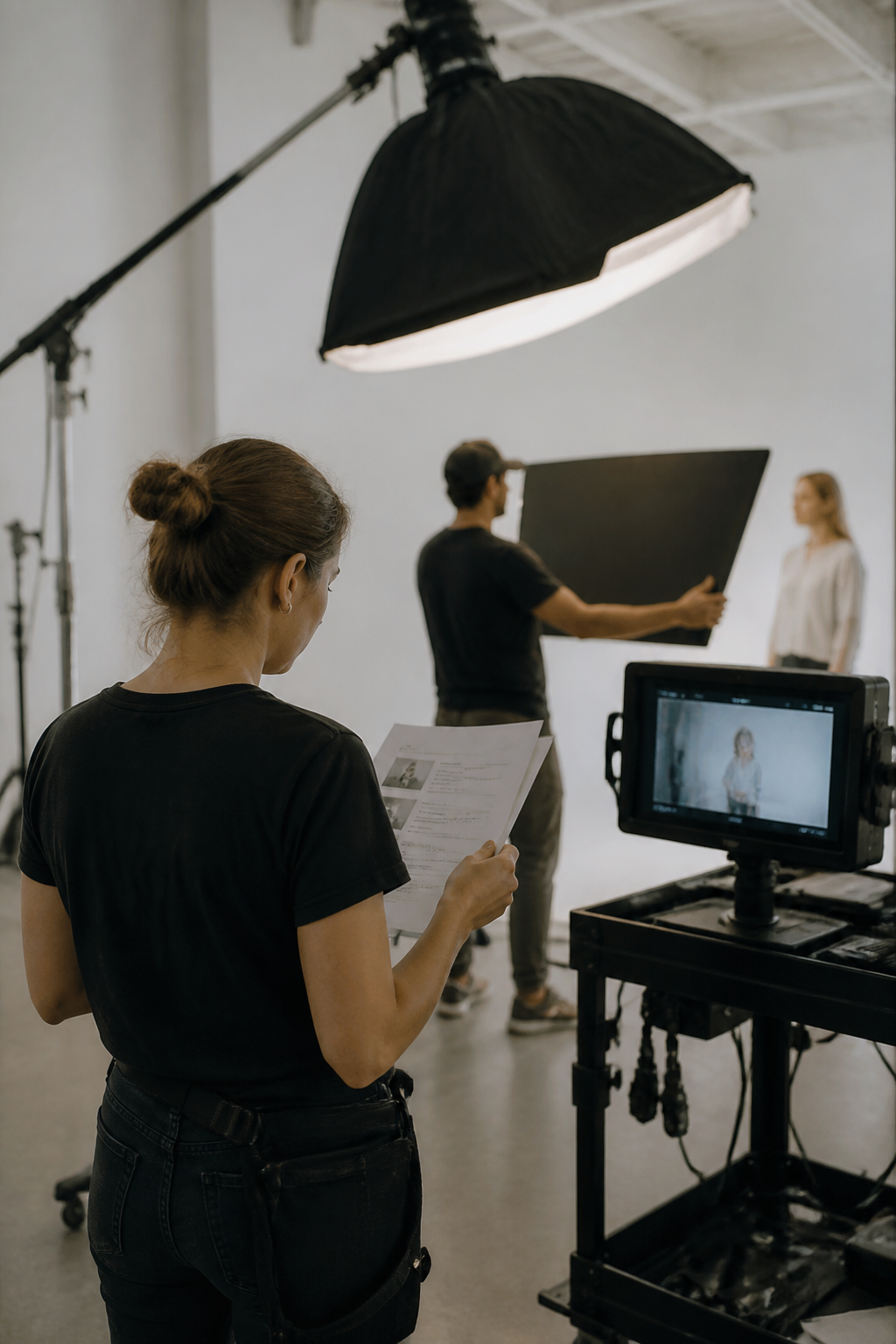
| Advertising and marketing | Release required | Property release usually required |
| Stock licensing | Released and unreleased files are licensed differently; unreleased means editorial only | Same distinction applies |
| Your own portfolio and website | Promotional but generally tolerated; reserve the right in your contracts | Reserve it in the contract rather than assuming it |
What a usable release actually contains
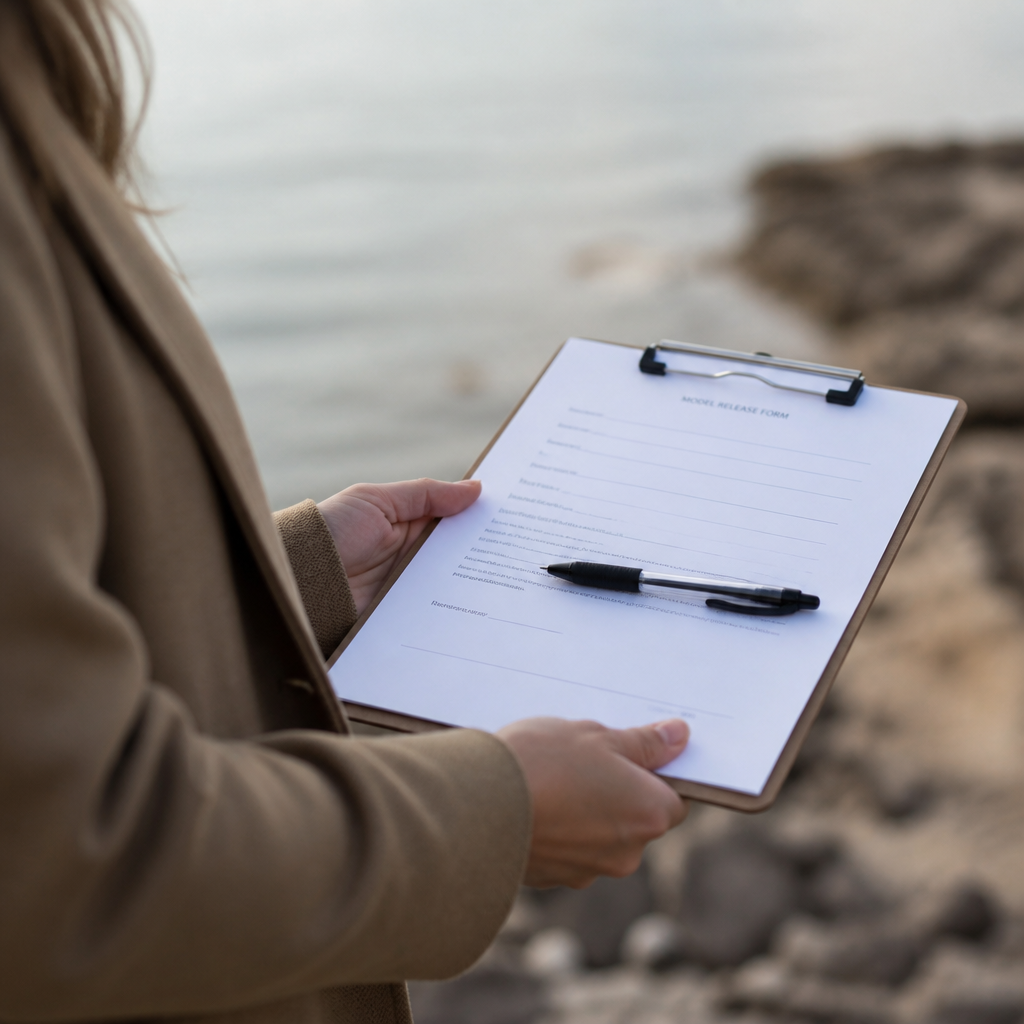
Short, plain, and signed. A release nobody understood is a document that will not help you when it is tested.
- Who. The person granting permission, and the photographer or company receiving it, both named.
- What. A description of the images: the date, the place, the occasion. "All photographs ever taken" is the clause that gets a release thrown out.
- Scope. Which uses are permitted, in which media, in which territory, for how long. The same five variables that govern a licence, discussed under licensing and usage.
- Consideration. Something of value given in exchange, even if nominal, stated in the document.
- Signature and date, plus contact details so you can reach the person later. You will need to.
- Guardian block, where the subject is a minor.
- A plain-language summary at the top, in one sentence, saying what the person is agreeing to.
Minors
A minor cannot give legally effective consent for a commercial use; a parent or legal guardian signs. Two additional habits are worth treating as non-negotiable regardless of what the law requires.
- Ask the young person as well. A guardian's signature is the legal instrument. The young person's agreement is the ethical one, and if they do not want to be photographed, that ends it.
- Be specific about publication, not just about photography. Many people say yes to being photographed and would say no to being published, and they are not the same question.
Where identity itself is the subject, the stakes rise sharply and the legal floor is much lower than the ethical standard. That case is worked through on the page about documenting social change.
A signed release answers whether you can be sued. It does not answer whether the person understood what they were agreeing to. Only one of those questions keeps a photographer welcome.
Property, artwork and the things people forget
- Buildings
- Exteriors visible from public places are generally photographable. Commercial use of a recognisable private building often calls for a property release, and interiors are governed by the owner's conditions of entry.
- Artwork and signage in frame
- Other people's copyrighted work appearing in your photograph raises its own questions, particularly if it is prominent rather than incidental, and particularly in commercial use.
- Animals
- Animals have no rights of publicity, but their owners have property rights, and stock agencies commonly ask for a release for identifiable animals in commercial work.
- Location permits
- A permit gives you access. It says nothing about the people who happen to be there, and it is not a release.
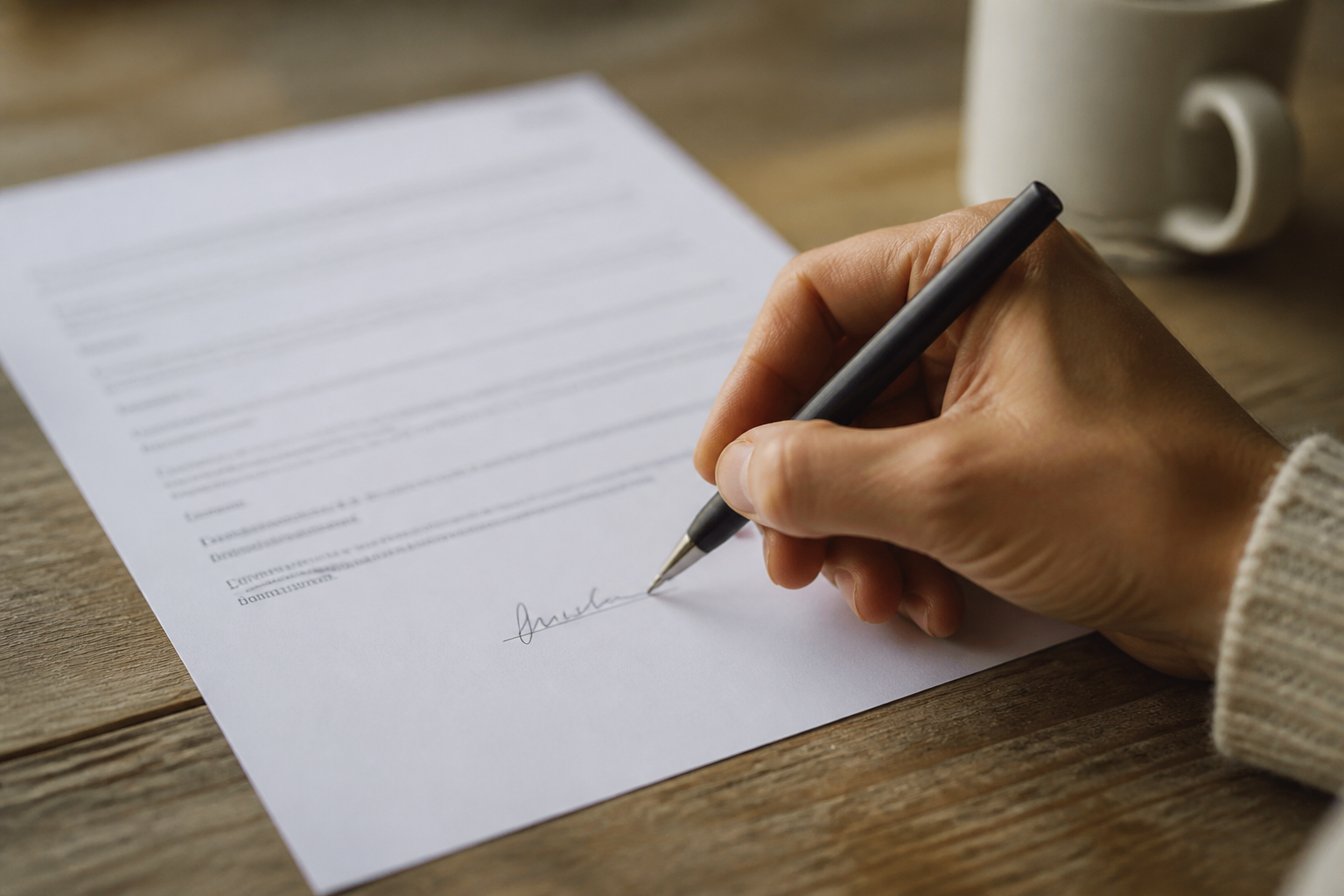
Five mistakes that recur
- Assuming a release covers future uses. If the scope says a campaign in 2026, it means that campaign, in 2026.
- Treating a public event as consent. Being in a public place is not agreement to be photographed, and never mind published.
- Collecting releases after publication. Too late is the same as never, and asking then damages the relationship you needed.
- Confusing the client's permission with the subject's. A company can license a picture it commissioned and still have no right to the face in it.
- Filing the release away from the file. Keep the scan next to the images, named after them, in the same folder. A release you cannot find within a minute does not exist.
The short version
Taking, publishing and selling are three permissions, not one. Editorial publication rarely needs a release; commercial use of an identifiable person always does. Minors need a guardian and their own agreement. And the strongest protection is not the form at all, it is that everyone in the frame understood what was going to happen to the picture.