Section
Documentary projects
Nobody commissions this work, which means nobody sets the boundaries for you either. The photographer chooses the subject, negotiates the access, carries the ethics and decides when it is finished. These four pages are about the parts that are not the photography.
- Four pages
- Self-directed work
- Revised 20/08/2026
Run 01
In this section
Structure first, then two subjects that are usually handled badly, then the paperwork that protects the people in the frame.
-
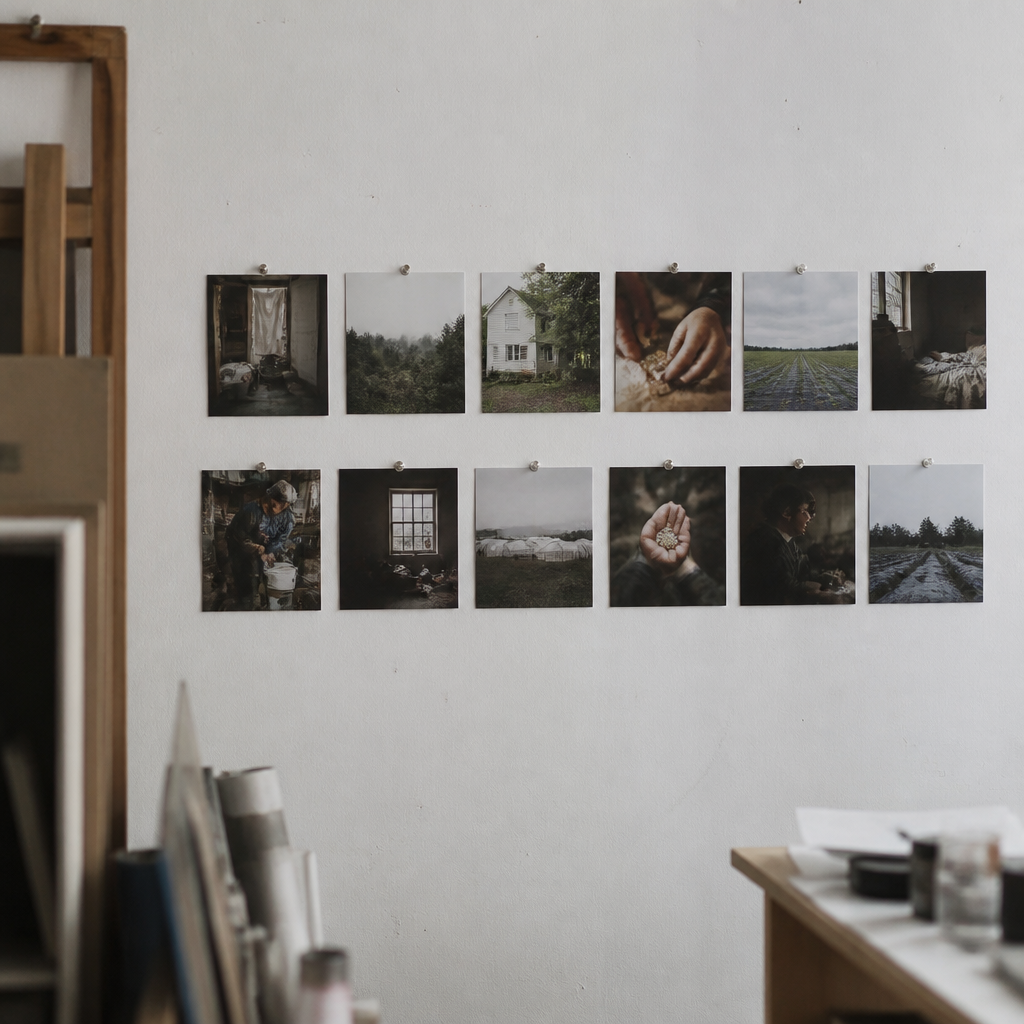
How a photo essay is built
The seven frames of the classic shot list, what each one does for the reader, and how an opener differs from a closer.
Structure
-

Consent and releases
Paperwork
-
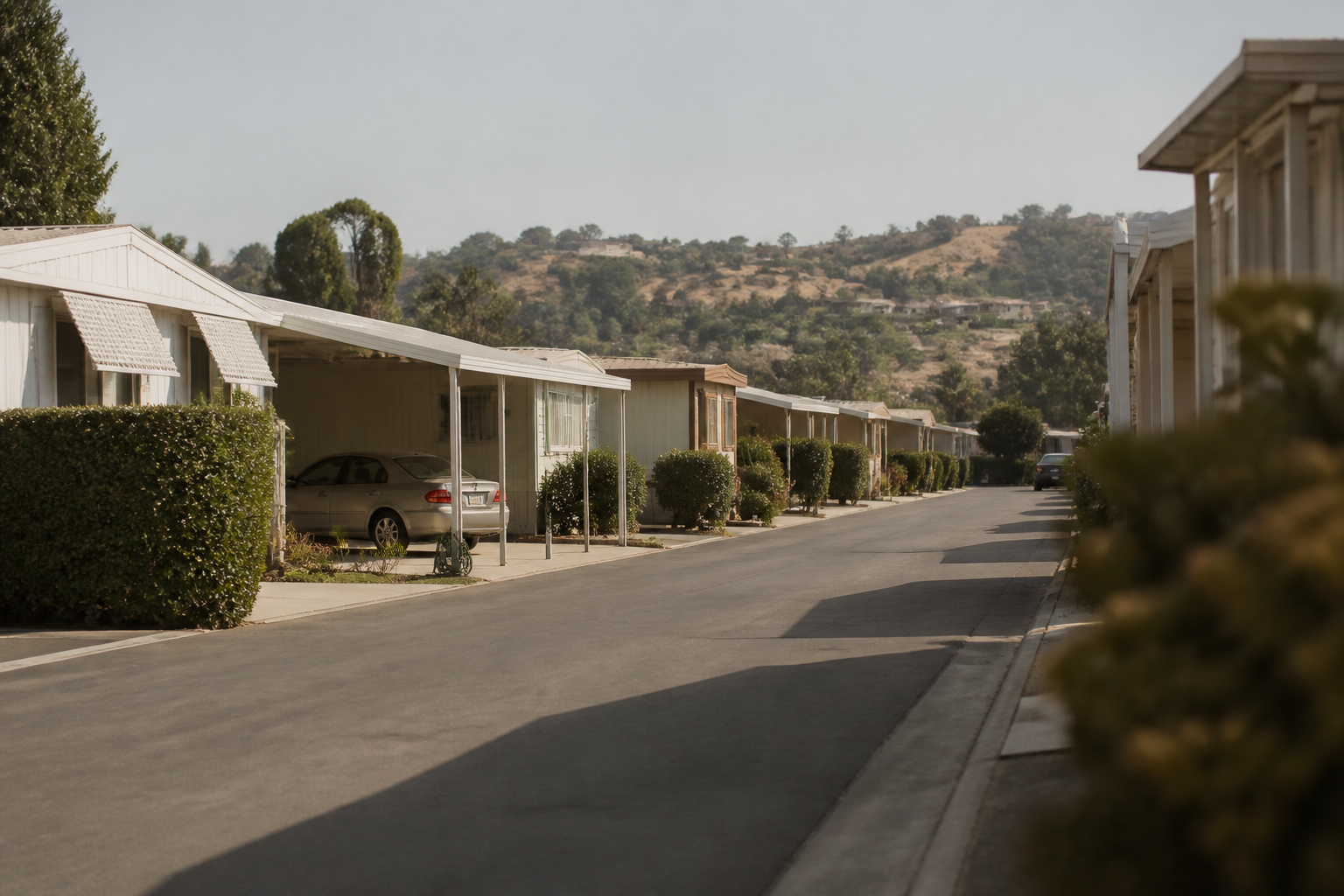
Photographing a mobile home park community
Split ownership, private streets, and why the gate is both the first frame and the first permission.
Subject
-
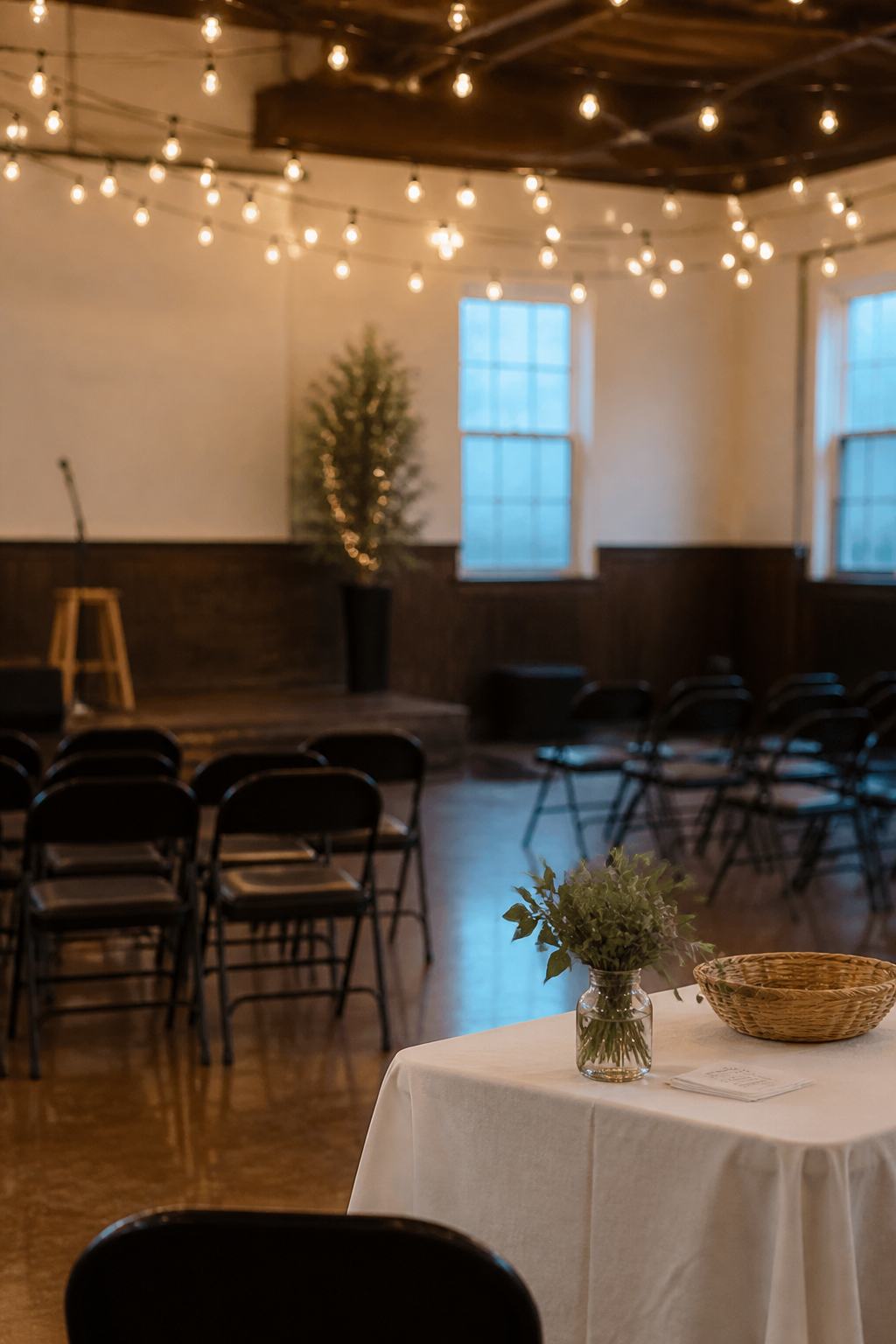
Documenting social change
Youth events, opt-out systems that work in a dark room, and what a long project owes people after publication.
Subject and ethics
Desk note
What separates a documentary project from a set of good pictures
A project is not a folder that grew. Four things turn a subject into a body of work, and they are all decided before the second visit.
A question, not a topic
Topics are infinite and finish nowhere. Questions end. Compare the topic a mobile home park with the question what happens to a community when residents own their homes but rent the ground under them. The second one tells you which frames you still need.
Return visits
The first visit produces the pictures the place shows to strangers. Access, in practice, is not granted once: it is renewed every time you come back and behave the same way you did before. Most of what makes a documentary body of work distinguishable from travel photography is simply the third, fourth and tenth visit.
A written consent trail
Long projects outlive memories. Keep a record of who agreed to what, on which date, and whether they agreed to publication as well as to being photographed. The consent and releases page sets out where United States practice draws the line between editorial and commercial use, and why that line does not release you from the ethical question.
An ending you can defend
Projects stop for legitimate reasons: the question is answered, the situation changes, the people ask you to stop. They also stop for bad ones, mostly boredom. Knowing which one applies is the difference between an archive and an essay. The structure page covers how to test whether you have a sequence yet, using nothing more than a table and a wall.
One subject puts all four of these into a single day: a wedding covered as documentary work is a project with a question, repeat access compressed into hours, consent negotiated with families, and an ending fixed by the schedule.
Latest picture notes
Recent additions to the documentary photography desk.
One more note before these pages close. A self-directed essay and a civil file ask different things of a picture, but they meet at the same question: what does this frame prove, and where was it made? When a documentary image has to hold up as evidence of condition, scale and place, the habits built here still apply. For how a record frame is read, see dating and locating a record frame.
One more note belongs here. A self-directed project rarely ends at the edge of its first subject. The same patience that holds a photo essay together, the consent you negotiate, the years you give a place, all of it travels. When the work moves past the market square and into the fairs, trades and business parks of a town, the method stays the same. See photographing a small town for how that longer view is kept honest.