How a photo essay is built: the seven frames every story needs
The picture story has a grammar. It was worked out in the illustrated magazines of the mid twentieth century, it is still taught in newsrooms, and it survives because it answers a practical question: what has to be in the take before you are allowed to go home.
- Documentary
- Working method
- Revised 20/08/2026
The form comes from the picture magazines. Life, published weekly from 1936 to 1972, built its identity on the photographic essay, and W. Eugene Smith's work for it, including Country Doctor in 1948 and Spanish Village in 1951, set the template that photojournalism schools still take apart frame by frame. A decade earlier, Dorothea Lange's work for the United States Farm Security Administration between 1935 and 1939 had established the other half of the idea: that a sustained body of documentary pictures could carry an argument, not merely illustrate one.
What follows is not an aesthetic. It is a checklist, and its value is that it tells you what is missing while you can still go back and get it.
The seven frames
| Frame | What it does for the reader | How it usually fails |
|---|---|---|
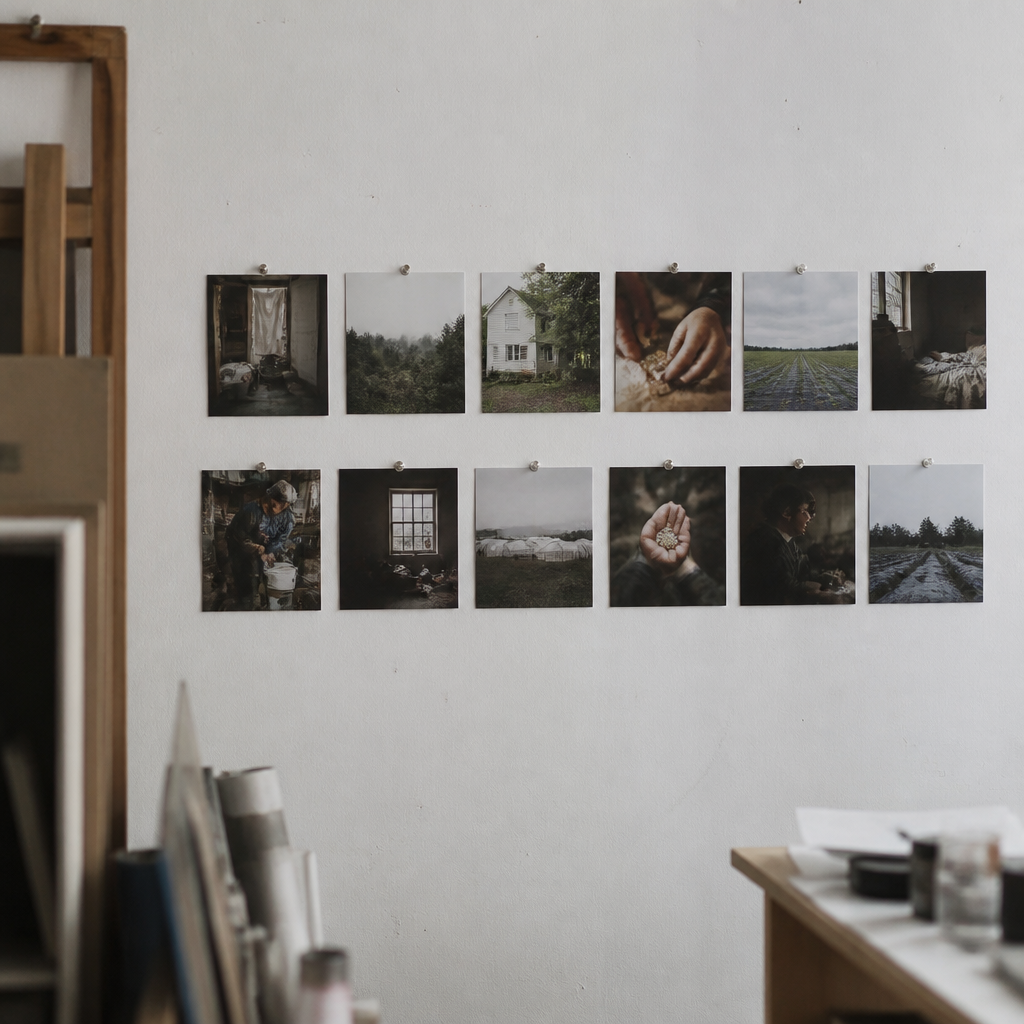
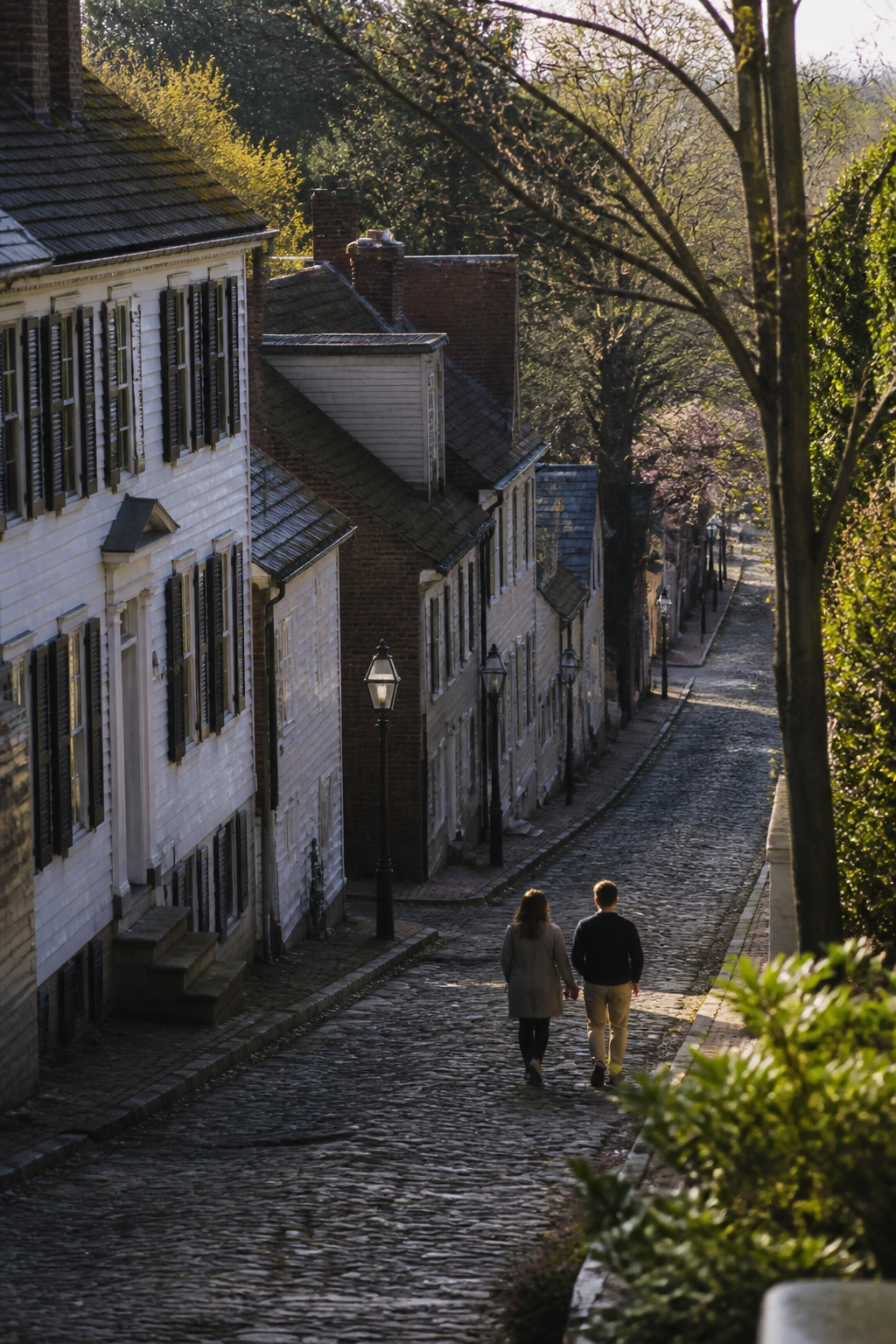
| 1. Establishing | Says where we are, from far enough back to place everything that follows | Empty. A landscape with no human presence establishes nothing. |
| 2. Medium | Shows the activity: what is being done, and how | Too polite. Shot from standing height, from outside the action. |
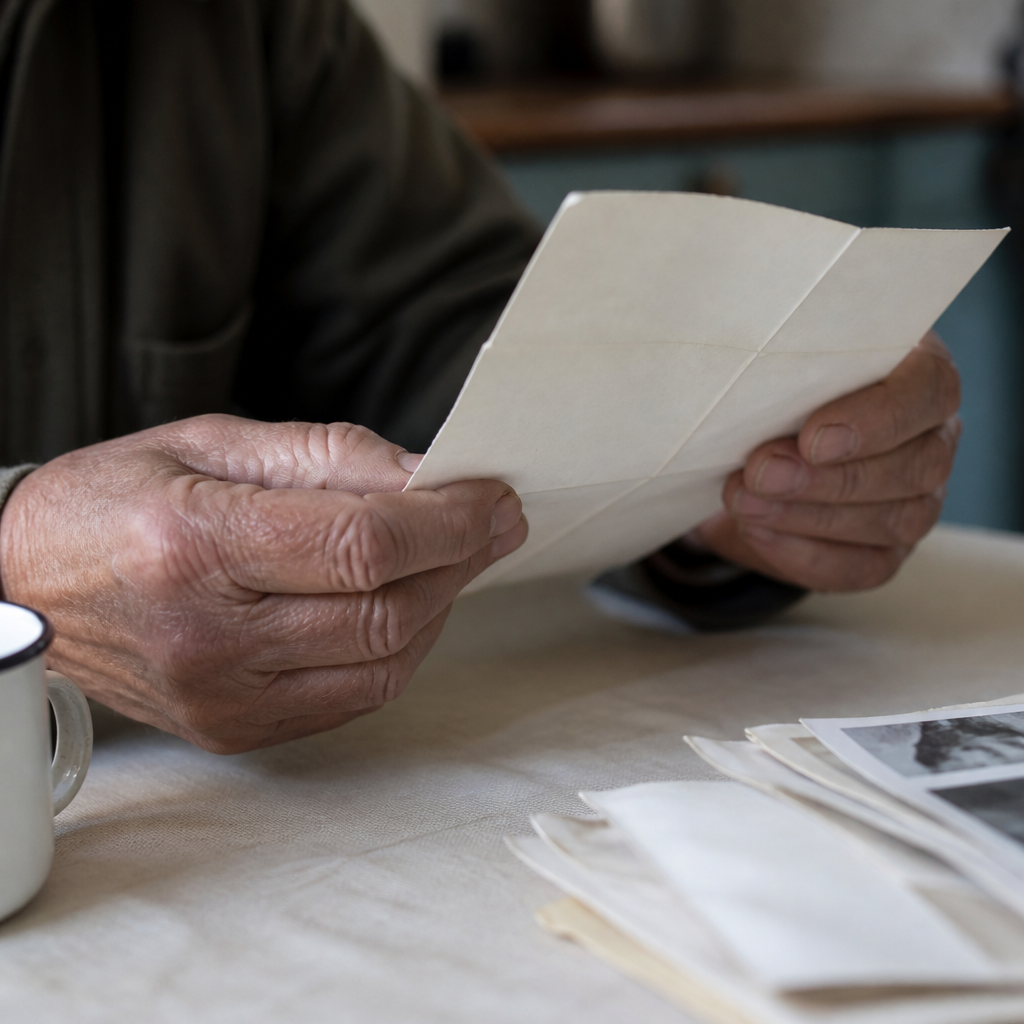
| 3. Detail | Hands, tools, objects, wear. Gives texture and slows the pace | Decorative. A detail that carries no information is filler. |
| 4. Portrait | One person, aware of the camera, looking back at the reader | Anonymous. A person photographed from behind is not a portrait. |
| 5. Interaction | Two or more people, showing a relationship rather than a situation | Staged handshake. If the relationship is not real, the frame reads false. |
| 6. Signature | The frame that would run alone if only one could. Compresses the whole story | Missing. Most takes contain six categories and no signature. |
| 7. Closer | Releases the reader. Departure, ending, a door shutting, light going | Resolves too neatly. A closer should end the sequence, not the subject. |
The only rule about the opener
Whatever frame opens the essay has to survive a headline printed over it. That means space, tonal calm in the top third, and a subject that is not destroyed by type. Editors will choose an inferior picture that has room over a better one that does not.
Order, and why the middle is where essays die
Openings are easy to get right because they are the picture you were most excited about. Endings are easy because you were relieved. The middle is where a sequence either builds or repeats itself, and the failure is almost always rhythm: three frames at the same distance, at the same moment of the day, at the same emotional pitch.
- Open wide enough to place the reader, or tight enough to intrigue them. Never medium: medium is the register of the middle.
- Alternate distance. Wide, close, medium, close. The reader's eye needs the change more than the story does.
- Put the portrait after the reader has seen the person working, not before. A face means more once you know what the hands do.
- Let one frame be quiet. A sequence with no rest is exhausting by the sixth picture.
- Do not put the signature frame last. Put it about two thirds through, and close on something smaller.
Remove one frame. If the story is unharmed, that frame was never in the story, it was in your affection for the day you took it.
How long an essay runs
The magazine essay historically ran to something like a dozen pictures across several spreads, because that is what the paper allowed. On screen the constraint is attention rather than paper, and sequences tend to run shorter. The structure is unchanged: whether you have six frames or eighteen, the reader still needs to be placed, shown, brought close, introduced to someone, and let go.
A useful discipline is to build the essay at three lengths: a twelve frame version, a six frame version, and a single frame. If the single frame cannot be chosen, the story has no centre yet, and that is a shooting problem rather than an editing one.
Captions inside a sequence
A standalone news caption is self-sufficient: it repeats the who, what, where and when because the picture may travel alone. Inside an essay, captions work as a chain. The first carries the full context, and the rest add only what the reader cannot see and does not already know. Repeating names and places in every caption stalls the sequence.
The convention for the standalone version, which is also the version that gets embedded in the file, is set out on the page about caption discipline and metadata.
Testing the edit
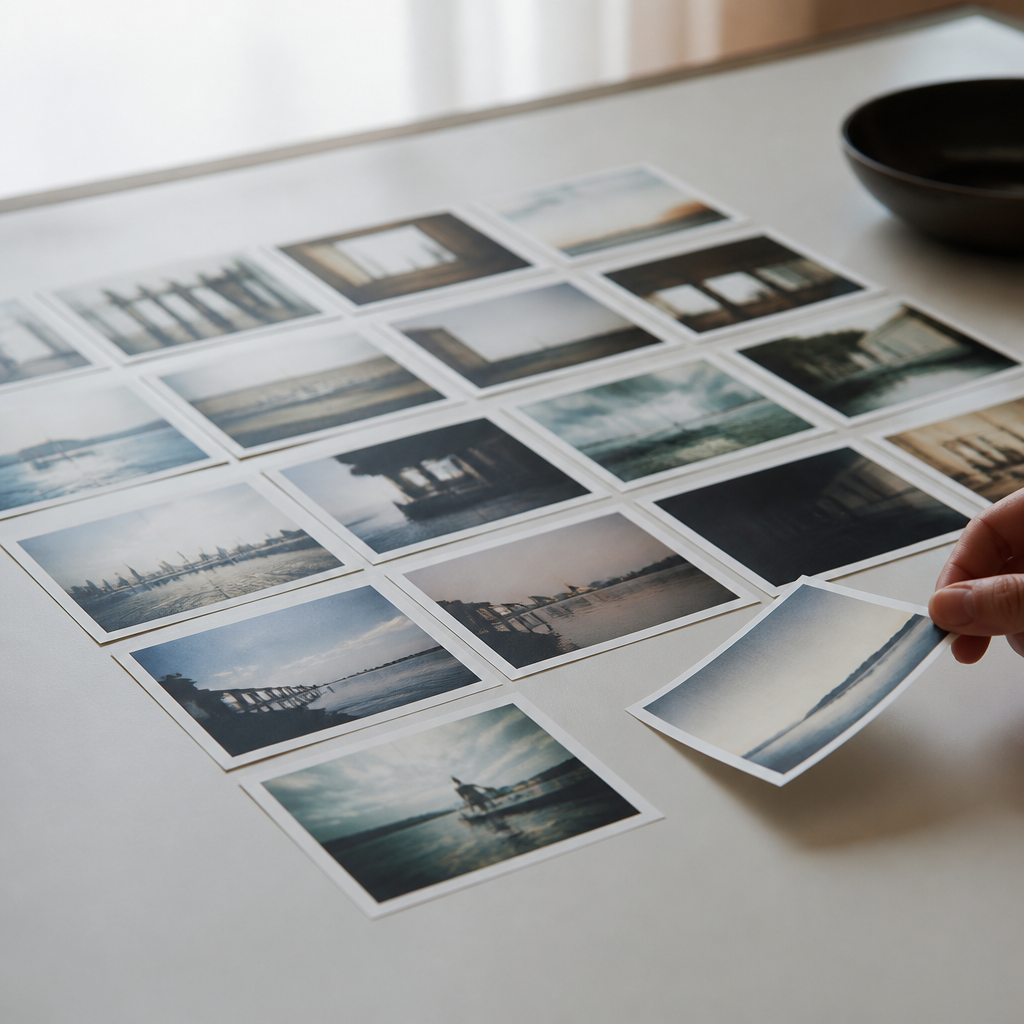
- Print small and lay it out. Six centimetres wide is enough. Scrolling hides the shape of a sequence.
- Show it to someone who does not know the subject, and ask them to describe the story back to you. Every gap in their description is a missing frame.
- Remove your favourite picture and see whether the essay improves. Often it does, because a favourite frame is usually the most photographic rather than the most useful.
- Count the registers. If five of twelve frames are portraits, you have a set of portraits, not an essay.
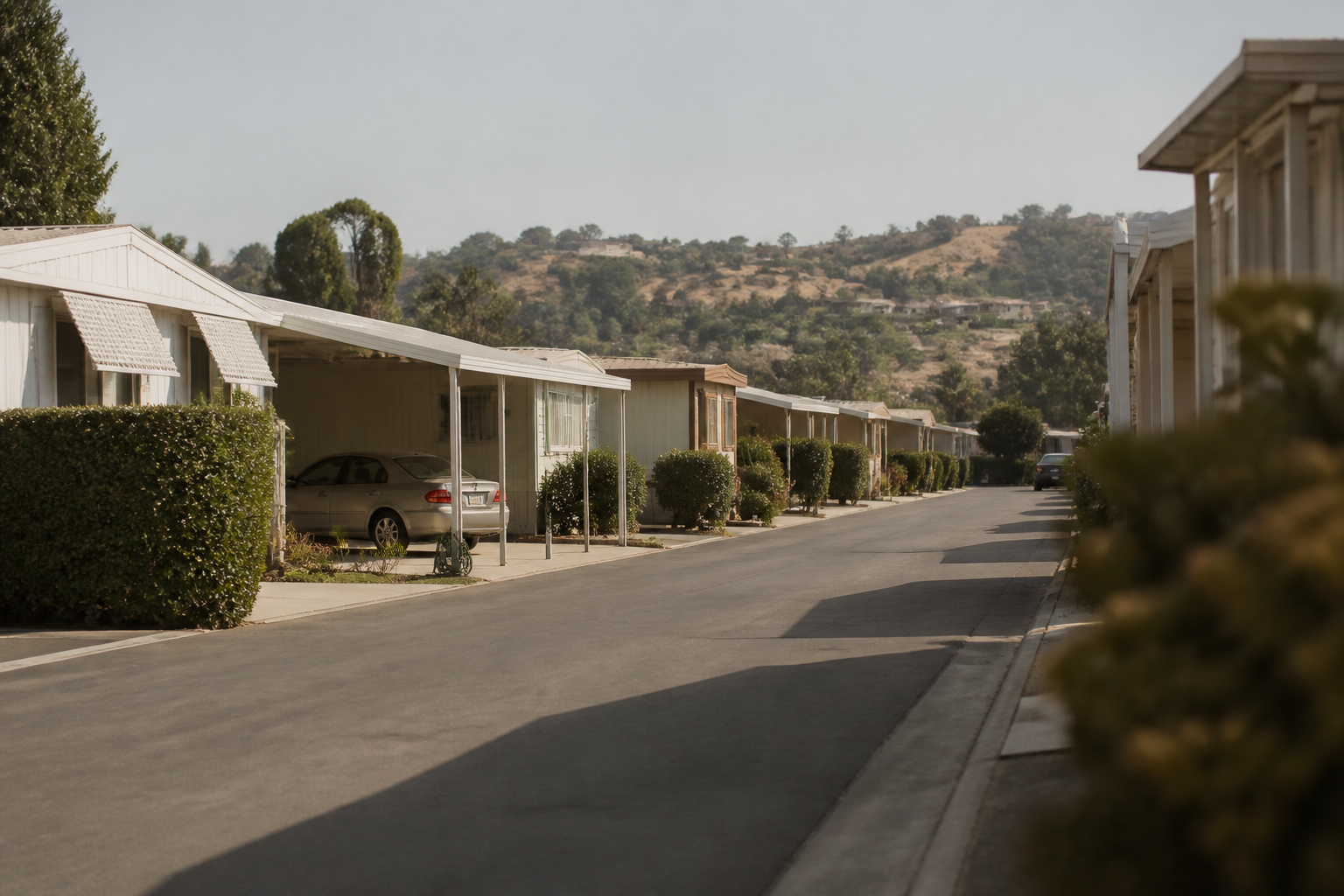
Two applications of all this, one on a place and one on an event, are worked through on the pages about photographing a mobile home park community and documenting social change.
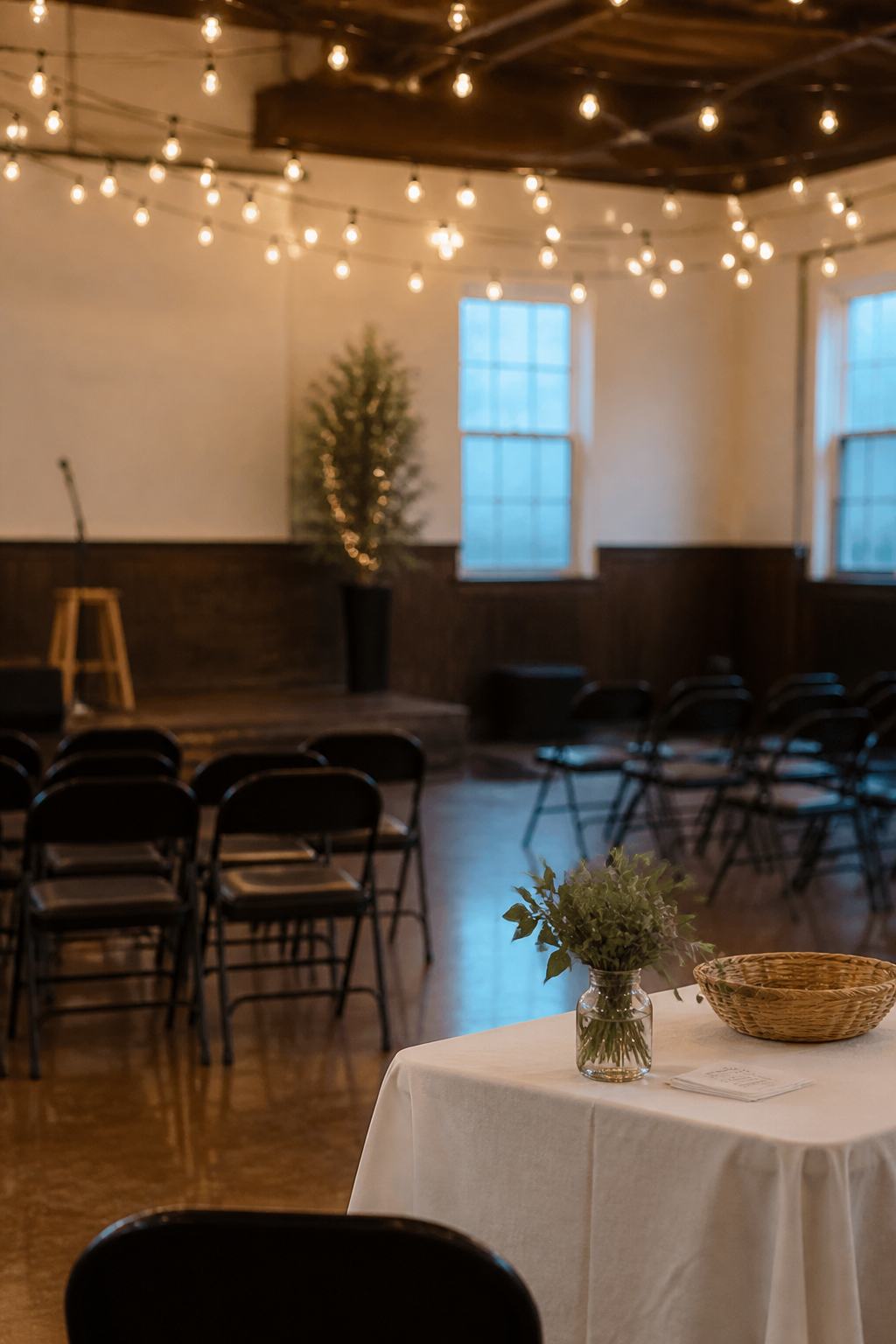
A third application runs the same sequence under a fixed clock: a wedding as a picture story still needs an establishing frame, the in-between moments and a closer, all inside twelve hours.
The scouting side of the same problem, where written records decide the frames before anything is shot, is worked through in the note on planning a wildlife shoot from field journals.